Suzanne Dyer
Phone
(310) 528-7480
Email
[email protected]

I've owned horses most of my life, and after selling real estate on the Palos Verdes Peninsula since 1990, I've learned something about equestrian properties: the improvements that matter most to horse owners are not always the ones sellers expect.
I've walked through beautiful barns that were completely impractical. I've seen expensive arenas with drainage problems. And I've seen simple, well-maintained horse facilities that were exactly what a buyer wanted.
When it comes to selling horse property in Rolling Hills, Rolling Hills Estates or Rancho Palos Verdes, the key is understanding what equestrian buyers actually value.
Before spending $50,000 remodeling a barn or installing a new arena, I would rather help a seller determine whether those improvements are likely to increase the property's selling price.
Here is where I believe the money is best spent, and where sellers should think twice.
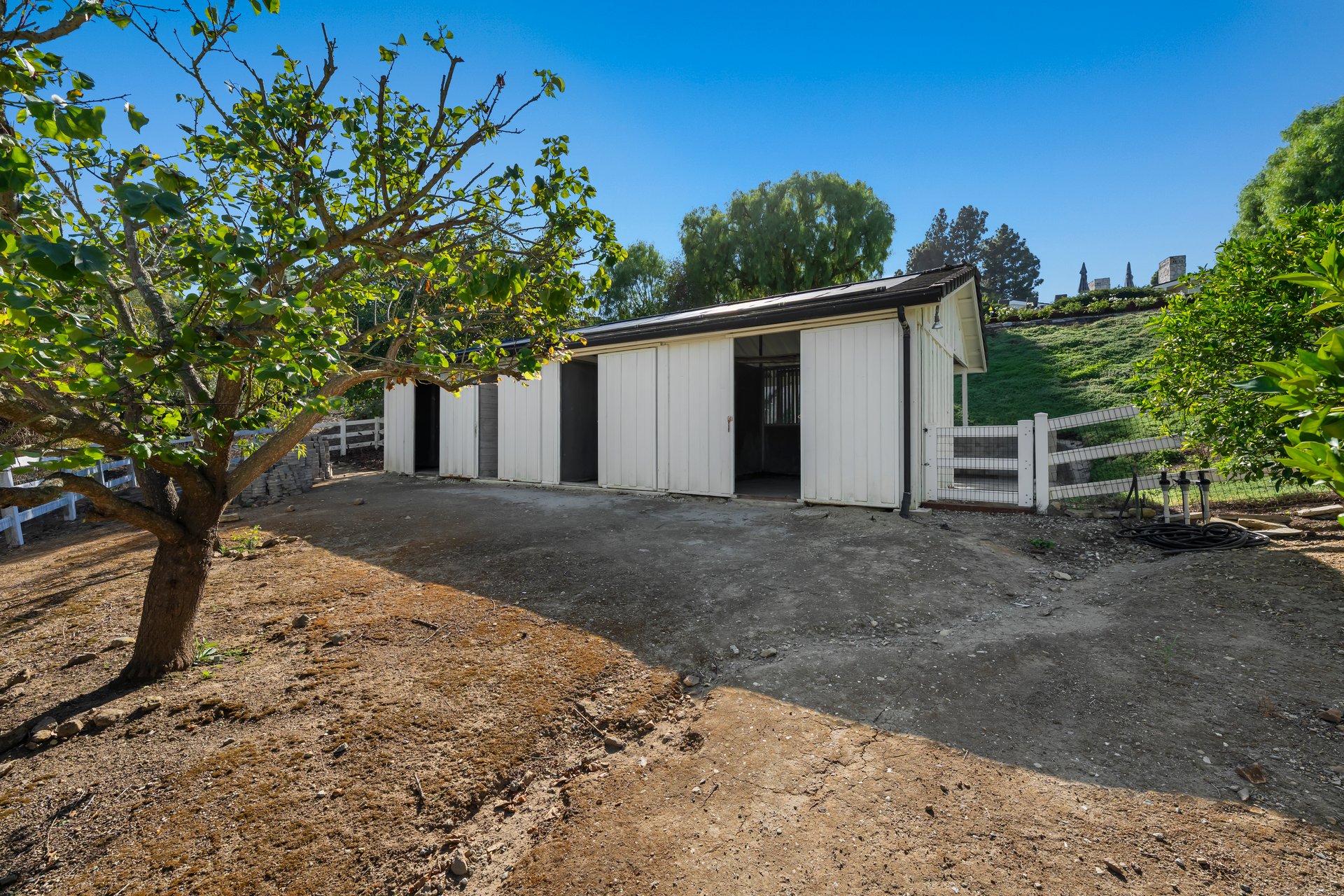
Not the total lot size. The usable land.
In Rolling Hills, for example, two properties can each have two acres but offer completely different opportunities for horses.
One may have relatively level ground, excellent turnout and room for an arena. The other may have considerable slope and limited usable areas.
That difference can have a substantial effect on value.
Before selling, I recommend addressing overgrown vegetation, damaged fencing, drainage problems and areas that have become difficult to use.
You don't necessarily need to undertake major grading or expensive improvements.
Sometimes simply cleaning up the property and making the usable land more apparent can help buyers see its potential.
Horse owners notice fencing.
They look for loose boards, exposed nails, damaged gates and areas where horses could get injured.
A property with neglected fencing raises immediate questions about maintenance.
In Rolling Hills and Rolling Hills Estates, traditional white fencing is also part of the rural character that attracts buyers.
Freshly painted or properly maintained fencing can significantly improve a property's presentation, particularly in listing photographs.
My recommendation is to make necessary safety repairs first, then address appearance.
I would prioritize safe, functional fencing over expensive decorative barn improvements.
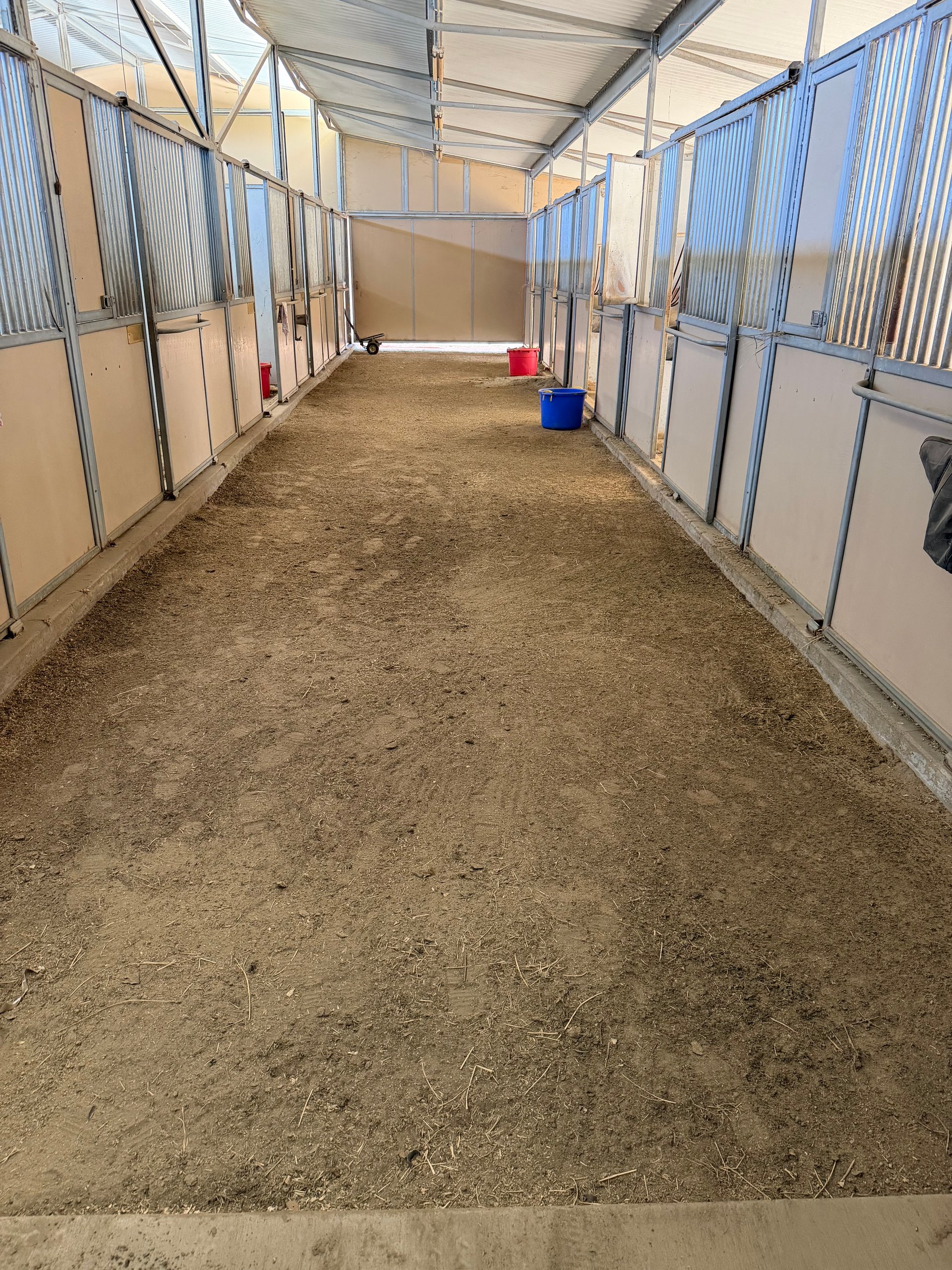
I've seen sellers spend substantial amounts of money renovating barns when a thorough cleanup would have made a much bigger difference.
Before listing, I recommend evaluating:
Stall doors, latches and partitions
Ventilation and lighting
Water supply and electrical systems
Tack and feed storage
Wash racks and drainage
Roof condition and visible maintenance issues
A barn doesn't have to be brand-new.
It does need to look well cared for and function properly.
Remove broken equipment, unused materials and unnecessary clutter. Organize the tack room. Repair obvious damage.
If a barn needs significant structural work, I would evaluate the expense before proceeding.
The next owner may have completely different plans for the facility.
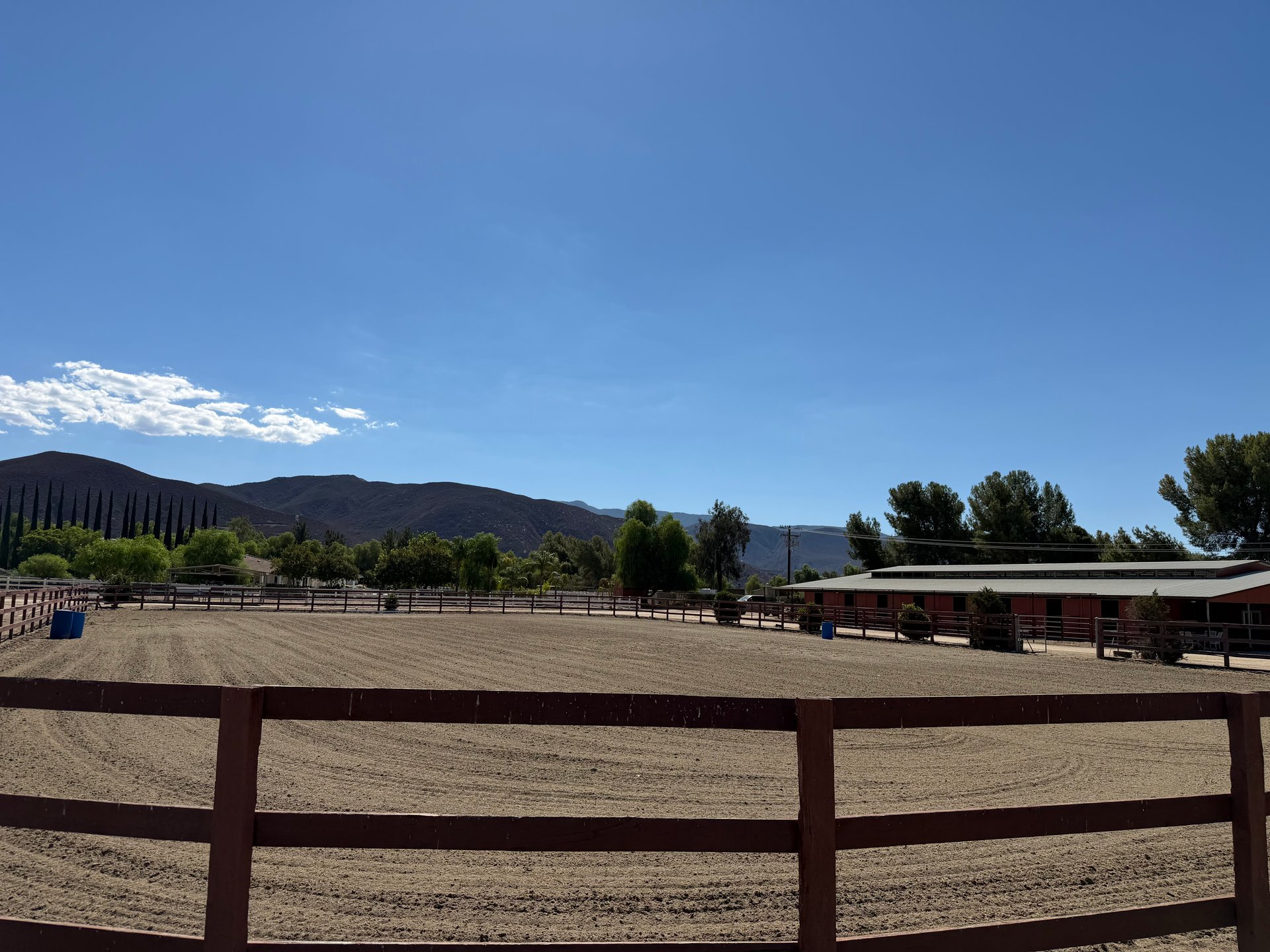
This is where I see the potential for expensive mistakes.
A riding arena can be a wonderful improvement, but not every horse-property buyer needs the same type.
A dressage rider may have very different requirements from someone who competes in barrel racing, cutting or roping.
Footing, dimensions, drainage and access all matter.
I own performance horses myself, so I understand how specialized arena requirements can become.
Before spending money on a new arena, I would ask whether the property already has an adequate riding area, whether proposed improvements are permitted and whether likely buyers would value the finished facility enough to justify its cost.
Often, maintaining an existing arena is a better investment than building something entirely new before selling.
This is one of the most important features of a practical horse property, and it's something traditional real estate marketing often overlooks.
Can a buyer get a large truck and horse trailer onto the property?
Is there room to turn around?
Are the gates wide enough?
Is the driveway too steep?
A beautiful equestrian estate becomes less attractive to certain buyers if bringing horses onto the property is difficult.
I've hauled horses for years, and I understand the challenges of maneuvering trailers on the narrow, winding roads and hillside properties around Palos Verdes.
Before selling, I would look at improving access where practical, removing obstructions and making existing trailer parking clearly visible.
Sometimes these improvements are relatively inexpensive.
For buyers who haul regularly, they can be extremely important.
This is something equestrian-property sellers sometimes forget.
Not every buyer of a Rolling Hills estate wants to keep horses.
Some buyers are attracted to the acreage, privacy, views and rural atmosphere.
A barn may become storage, a hobby space or remain available for future equestrian use, subject to applicable approvals.
That means I don't want to market the property exclusively to horse owners.
I want buyers to appreciate the residence and land independently of the equestrian facilities.
If a property has spectacular views, beautiful architecture or exceptional privacy, those features deserve just as much attention as the barn and arena.
The best marketing strategy presents the property's full range of possibilities without promising uses that have not been approved.
Although all three communities have equestrian properties, their rules and physical characteristics differ.
Rolling Hills is a gated residential city known for its acreage, private roads, equestrian character and private trail system.
Properties vary significantly in topography, usable land and facilities.
The Rolling Hills Community Association has architectural standards, deed restrictions and easements that need to be considered when evaluating improvements.
Rolling Hills Estates is home to established equestrian neighborhoods, including Dapplegray Lanes, and has more than 25 miles of scenic bridle trails according to the city's equestrian information.
The city also operates public riding rings and has the Peter Weber Equestrian Center.
Some properties are designed specifically for horsekeeping, while others primarily benefit from the surrounding equestrian environment.
Rancho Palos Verdes has four designated equestrian overlay districts: Palos Verdes Drive East, Portuguese Bend, Ridgecrest and Via Campesina.
Horsekeeping is regulated through the city's zoning and animal-keeping requirements.
Before marketing a property based on its ability to accommodate horses, buyers and sellers should confirm the applicable permits and restrictions.
Not necessarily.
I've seen situations where a seller assumes an older barn or corral is a liability and wants to remove it before listing.
I would be cautious about doing that without first evaluating the property's equestrian appeal and the legal status of the improvements.
Even a modest structure may have value to a buyer who wants to keep horses.
On the other hand, deteriorated facilities that create safety concerns or require substantial repairs may need attention.
The right decision depends on the condition of the improvements, their permitted status and how the property is likely to be used.
Removing a barn is not always the best way to increase a property's value.
When I market an equestrian property, I want buyers to understand the entire property before they visit.
That means showing the relationship between the house, barn, turnout, arena and surrounding land.
Aerial photographs can be particularly helpful when they accurately illustrate the layout and usable areas.
I also like showing details that serious horse owners appreciate, such as well-maintained stalls, tack rooms, wash areas, fencing and trailer access.
If a property has convenient access to approved riding trails, that deserves attention as well.
The photos should tell the property's story, not simply show a few horses standing in a pasture.
This is where having experience with both horses and real estate becomes especially valuable.
A seller may have spent $250,000 building a barn and arena.
That doesn't automatically mean those facilities add $250,000 to the property's market value.
The improvements may be valuable to one buyer and unnecessary to another.
When I evaluate equestrian real estate, I consider the home's residential value, the usability of the land, existing facilities, location, condition and the type of buyer likely to be interested.
I also consider the property's appeal to nonequestrian buyers.
The goal is to establish a price that recognizes the property's distinctive features without assuming every dollar spent on improvements will be recovered.
Usually, I recommend starting with repairs, maintenance and organization rather than a major renovation. The right decision depends on the condition of the barn and the likely buyer.
It can, particularly when the arena is functional, appropriately permitted and suited to the property's likely buyers. However, not every buyer wants an arena, and construction costs do not necessarily translate into equal resale value.
Not automatically. Value depends on location, residence, views, usable land, facilities and buyer demand. A horse property may attract a premium from the right buyer, but every property must be evaluated individually.
Yes. Many equestrian properties can be marketed successfully in their existing condition. I recommend determining which repairs are necessary, what buyers are likely to expect and whether the cost of improvements is justified.
Effective marketing should reach equestrian buyers while also appealing to people interested in acreage, privacy and luxury homes. Clear photographs, accurate property information and exposure through local real estate and equestrian relationships are all important.
I've spent more than 35 years selling homes throughout Palos Verdes and the South Bay, including luxury estates, acreage and equestrian properties.
I also live in Rolling Hills and own horses.
I've built and remodeled homes, managed horse facilities and dealt firsthand with many of the practical challenges that come with maintaining an equestrian property.
When I evaluate a barn, I'm thinking about more than what it looks like in photographs.
I'm thinking about how it works.
When I look at acreage, I'm evaluating how it can actually be used.
And when I prepare a horse property for sale, I want to position it for the buyers who will recognize its particular value.
The right preparation can make a meaningful difference, but spending more money is not always the answer.
Sometimes the best strategy is knowing what not to change.
If you own an equestrian property in Rolling Hills, Rolling Hills Estates or Rancho Palos Verdes, I would be happy to provide a confidential evaluation.
I'll review the residence, usable land, barn, arena, turnout, access and the property's overall market appeal.
More importantly, I'll help you decide which improvements may be worthwhile before selling and which expenses you can avoid.
You don't need to be ready to put your home on the market.
Sometimes it's simply helpful to understand what your property is worth and what you should, or shouldn't, do before selling.
Suzanne Dyer Strand Hill | Forbes Global Properties Palos Verdes & South Bay Real Estate Serving Palos Verdes Since 1990 310-528-7480 SuzanneDyer.com CA DRE #01054310
If you´re listing or selling real estate in the Palos Verdes Peninsula and surrounding areas, put a winning real estate professional to work for you.
Let's Connect