Suzanne Dyer
Phone
(310) 528-7480
Email
[email protected]
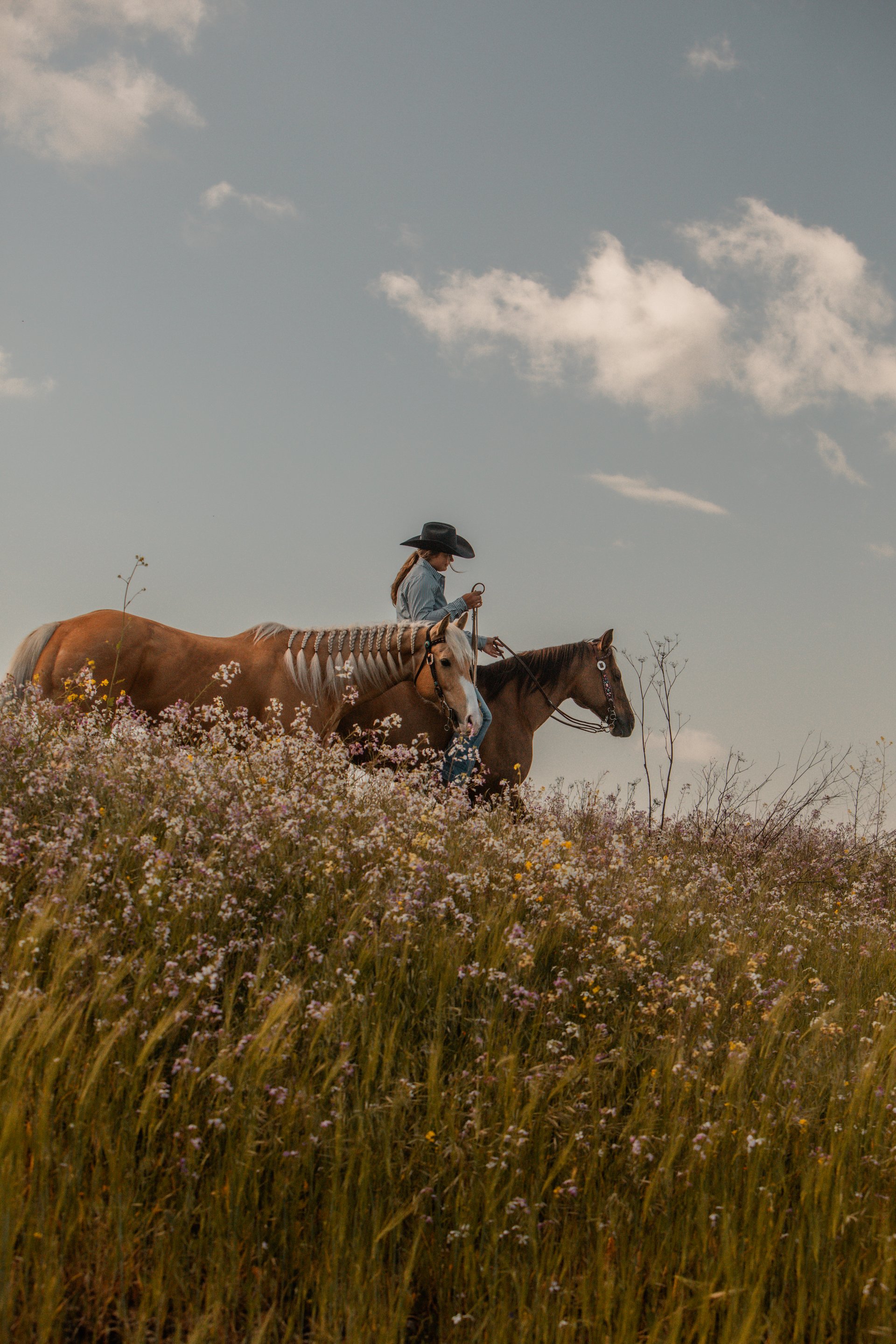
Buying or selling horse property in Palos Verdes requires more than understanding home values.
The usability of the land, barn and corral placement, trailer access, drainage, trail access, zoning, and local equestrian rules can all affect a property’s value and whether it truly works for a horse owner.
A horse property is not simply a house with land.
The best equestrian properties combine a desirable residence with usable acreage, functional horse facilities, practical access and a lifestyle that works every day.
That is why horse-property buyers and sellers benefit from working with a Realtor who understands both real estate and horses.
I have been selling homes throughout Palos Verdes and the South Bay since 1990, and I also live the equestrian lifestyle myself. I understand the difference between a property that merely looks like horse property in the listing photographs and one that truly works for horses, trailers, riders and everyday barn life.
Two properties can have the same lot size and still be dramatically different from an equestrian perspective.
One may have:
Another property with the same acreage may be heavily sloped, difficult to access with a trailer, poorly configured for horses or expensive to improve.
Those differences affect both usability and value.
When I evaluate a horse property, I look beyond bedrooms, bathrooms and square footage.
I also consider:
These are details that automated valuation systems and many traditional real-estate comparisons simply do not capture.
Rolling Hills is one of the most distinctive equestrian communities in Southern California.
Behind its guarded gates are large residential lots, private roads, miles of trails and a rural atmosphere that feels remarkably removed from the rest of Los Angeles County.
Many properties have barns, corrals, arenas, turnout areas or direct access to the community trail system.
But Rolling Hills horse properties vary tremendously.
A property with a flat acre and excellent equestrian access can function very differently from a larger parcel where much of the land is steep or difficult to reach.
That difference matters to buyers.
Horse owners may also place substantial value on:
These factors can materially affect both marketability and sale price.
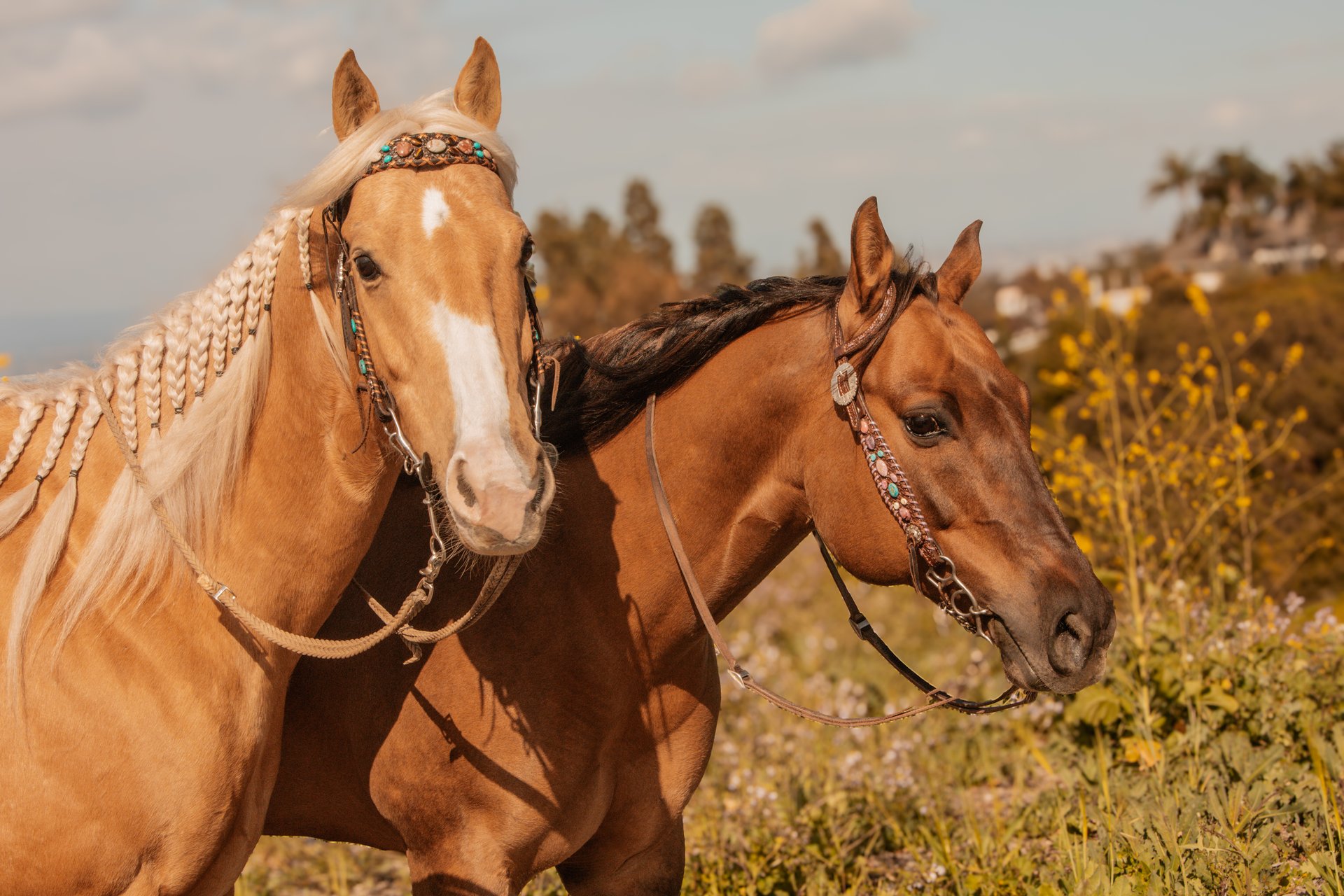
Rolling Hills Estates has a strong equestrian tradition of its own.
Areas such as Dapplegray Lanes offer a distinctive combination of residential living and horsekeeping, with properties connected to a larger equestrian community and trail network.
For some buyers, Rolling Hills Estates offers a very appealing alternative to Rolling Hills because they can have horses at home while remaining closer to schools, shopping and everyday conveniences.
Again, the individual property matters.
A horse buyer is likely to evaluate not only the house, but also:
A beautiful house that is difficult to operate as a horse property may be less attractive to a serious equestrian buyer than a simpler home with an excellent setup.
One of the biggest mistakes people make when evaluating equestrian property is focusing only on acreage.
A larger lot does not automatically mean a better horse property.
A one-acre parcel with flat, accessible, well-designed land may be significantly more useful than a two-acre parcel dominated by slope.
When evaluating usable land, I look at:
For horse buyers, the question is not simply:
“How many acres?”
It is:
“How much of the property can I realistically use?”
This is one of the most overlooked issues in horse-property real estate.
A property may have a beautiful barn and plenty of room for horses, but if a truck and trailer cannot comfortably access the property, it can create a major practical problem.
I look at:
A buyer with a large horse trailer may evaluate a property very differently from a buyer who does not own horses.
Horse facilities add value when they are well planned and useful.
A large barn is not necessarily better if it is poorly located or difficult to access.
Likewise, an arena that does not drain properly can become unusable for part of the year.
Important considerations include:
These are the types of details serious horse buyers notice immediately.
Trail access is one of the defining advantages of Palos Verdes equestrian living.
For many riders, the ability to leave the property on horseback without trailering somewhere else is enormously valuable.
A property that connects easily to trails may appeal to a different buyer pool than a property where every ride requires loading the horses into a trailer.
When marketing a horse property, trail access should be explained clearly and accurately.
It is often one of the most important lifestyle benefits of the property.
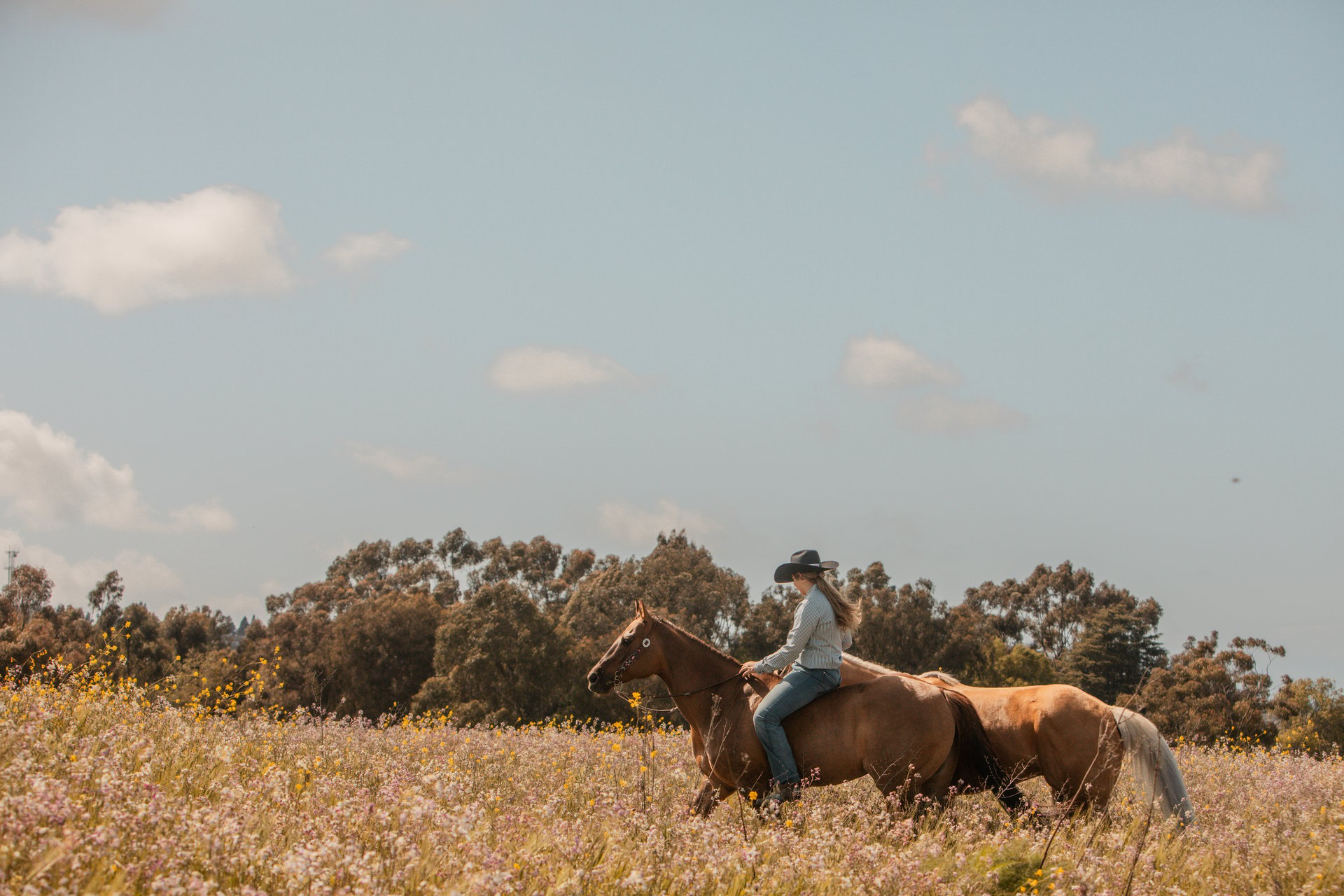
Horse-property buyers often value privacy differently from conventional home buyers.
They may want separation from neighboring homes, room to work horses, space for trucks and trailers, and the ability to operate the property without feeling crowded.
This is one reason Rolling Hills properties can command a substantial premium.
Buyers are not simply purchasing acreage.
They are purchasing space, privacy and a way of living.
There is no single formula.
The strongest equestrian properties typically combine several of these characteristics:
A property does not need every feature to be valuable.
But buyers will assess how easily the property can support the lifestyle they want.
Horse properties should not be marketed like conventional homes.
The photography, copy, video and showing strategy should clearly explain the features that matter to equestrian buyers.
That may include:
A buyer should not have to study aerial photography or walk the entire property before understanding the equestrian setup.
The marketing should tell that story immediately.
Horse properties are often difficult to value because no two are exactly alike.
One property may have a larger home.
Another may have superior land.
Another may have a better arena.
Another may have direct trail access.
Another may be more private.
This is why price-per-square-foot analysis alone can be misleading.
When valuing an equestrian property, I consider both the residential value and the value of the land, facilities, access and lifestyle.
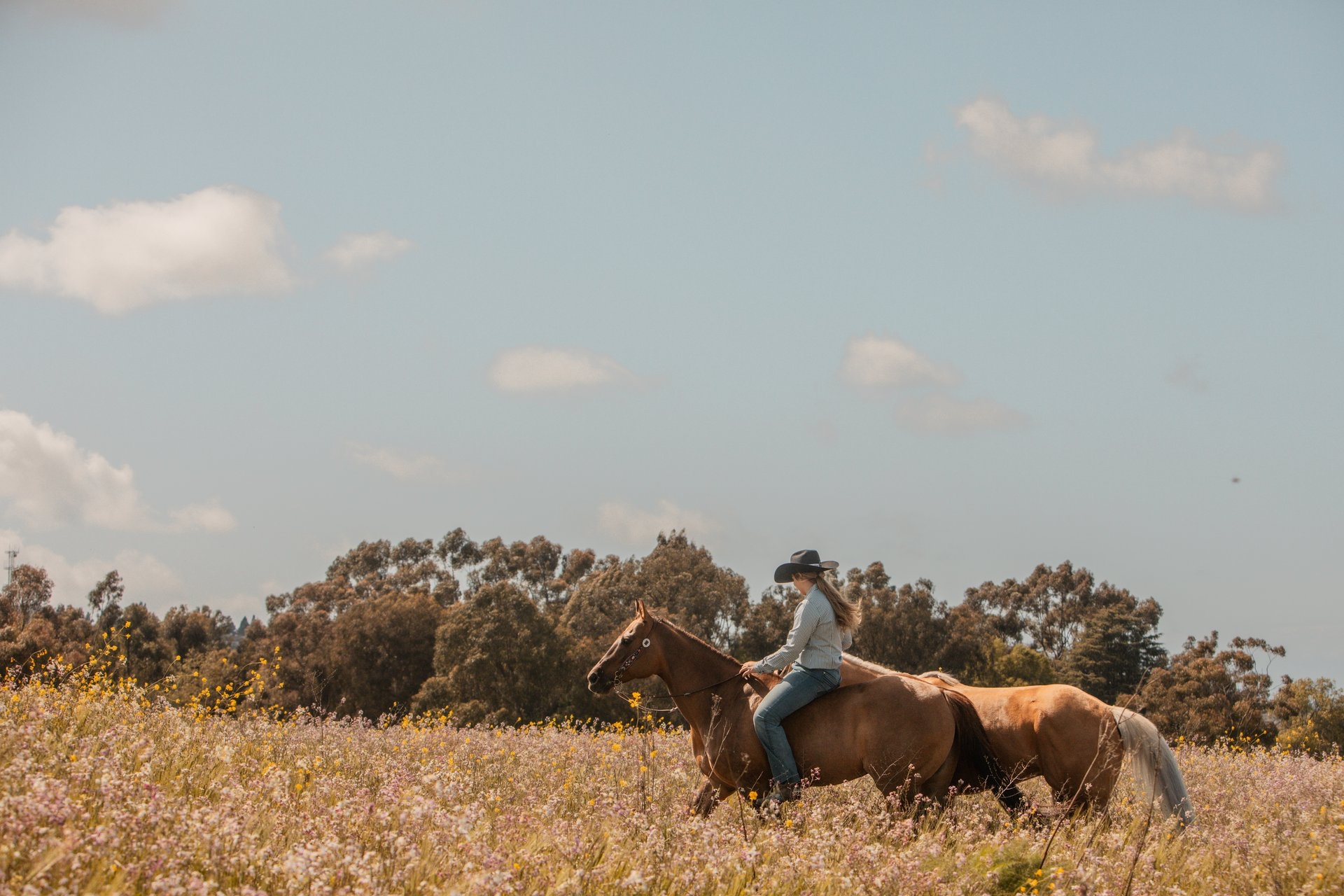
Buyers should look beyond how beautiful the home is.
Before purchasing, consider how the property will actually function with your horses.
Questions I recommend asking include:
The answers can have a significant impact on both enjoyment and future resale value.
Rolling Hills and Rolling Hills Estates contain some of the Peninsula’s best-known equestrian properties and trail systems. Dapplegray Lanes in Rolling Hills Estates is particularly well known for its equestrian character.
No.
Lot size alone does not determine whether a property is practical or appropriate for horses. Topography, access, zoning, neighborhood rules and the actual configuration of the land all matter.
Not necessarily.
A well-designed, usable barn can add meaningful value to the right buyer. A poorly located or obsolete structure may contribute much less.
For many equestrian buyers, yes.
Direct or convenient trail access can be one of the most desirable features of a Palos Verdes horse property.
Absolutely.
Horse-property marketing should explain the land and equestrian facilities as carefully as the home itself.
I have spent more than three decades selling real estate throughout Palos Verdes and the South Bay, including luxury homes, acreage and equestrian properties.
I also have hands-on experience owning horses and managing horse properties.
That matters.
When I walk a horse property, I am not looking only at granite counters and bedroom count.
I am looking at whether the property actually works:
Can you get a trailer in? Where do the horses turn out? How does it drain? Where does the hay go? How do you access the trails? Is the land usable? Does the barn configuration make sense?
Those questions can have a significant impact on value.
If you are considering selling an equestrian property in Rolling Hills, Rolling Hills Estates or elsewhere on the Palos Verdes Peninsula, I am happy to provide a confidential analysis of both the residential and equestrian value.
And if you are looking to buy horse property, I can help you evaluate not only what is publicly listed, but also potential off-market opportunities.
Suzanne Dyer
Strand Hill | Forbes Global Properties
Palos Verdes & South Bay Real Estate
310-528-7480
SuzanneDyer.com
Looking for more detailed seller advice?
Read my Rolling Hills Horse Property Seller’s Guide.
If you´re listing or selling real estate in the Palos Verdes Peninsula and surrounding areas, put a winning real estate professional to work for you.
Let's Connect